
Event Summary
Today, 12/12/25, Fermi (FRMI)’s price fell 33%, falling from roughly $15 to $10 per share, eliminating an estimated $5 billion in market capitalization in a single session. This decline followed a prolonged period of extreme valuation despite the absence of operating revenues or earnings.
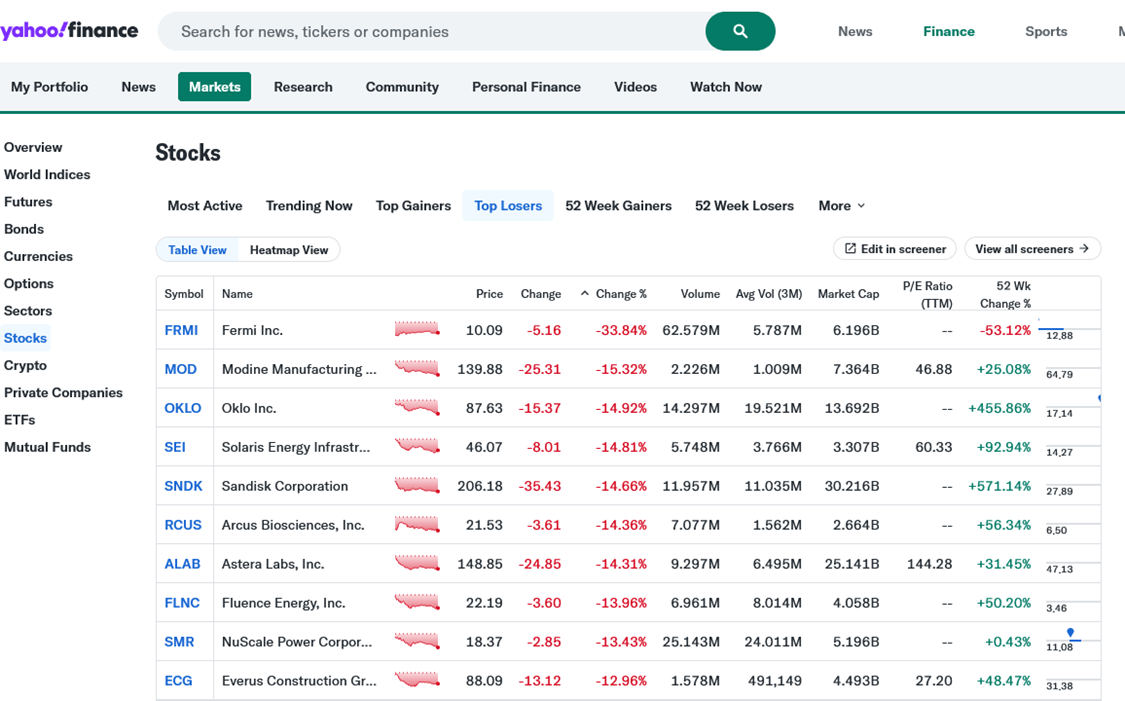
Chart 2 shows ERS’s Performance & Risk Chart™ (PRC™) output for Fermi as of October 13, 2025, when the stock traded at $30.01 per share. At that time, ERS’s nine proprietary risk ratings—each independently scaled from +150 (best) to −250 (worst)—produced a combined score of −2,224, only 26 points from the worst possible aggregate rating.
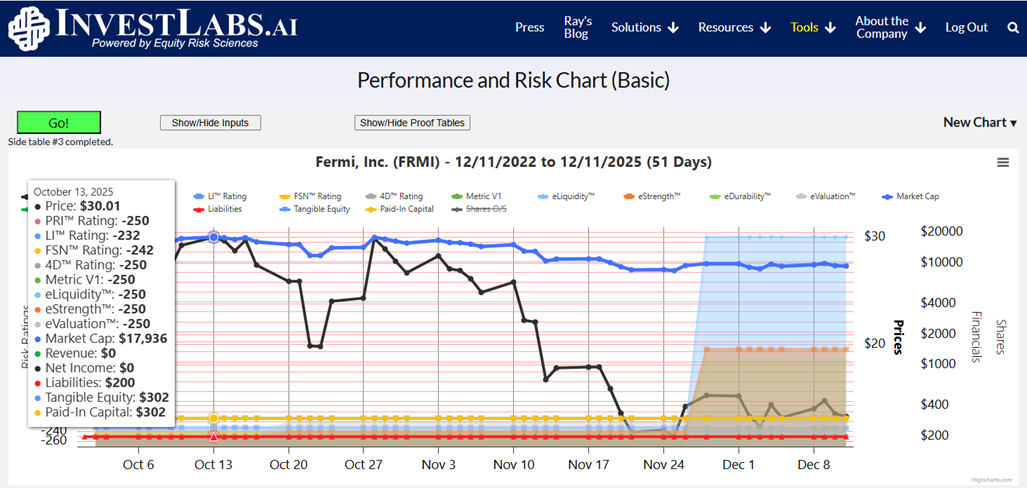
Chart 2 shows ERS’s Performance & Risk Chart™ (PRC™) output for Fermi as of October 13, 2025, when the stock traded at $30.01 per share. At that time, ERS’s nine proprietary risk ratings—each independently scaled from +150 (best) to −250 (worst)—produced a combined score of −2,224, only 26 points from the worst possible aggregate rating.
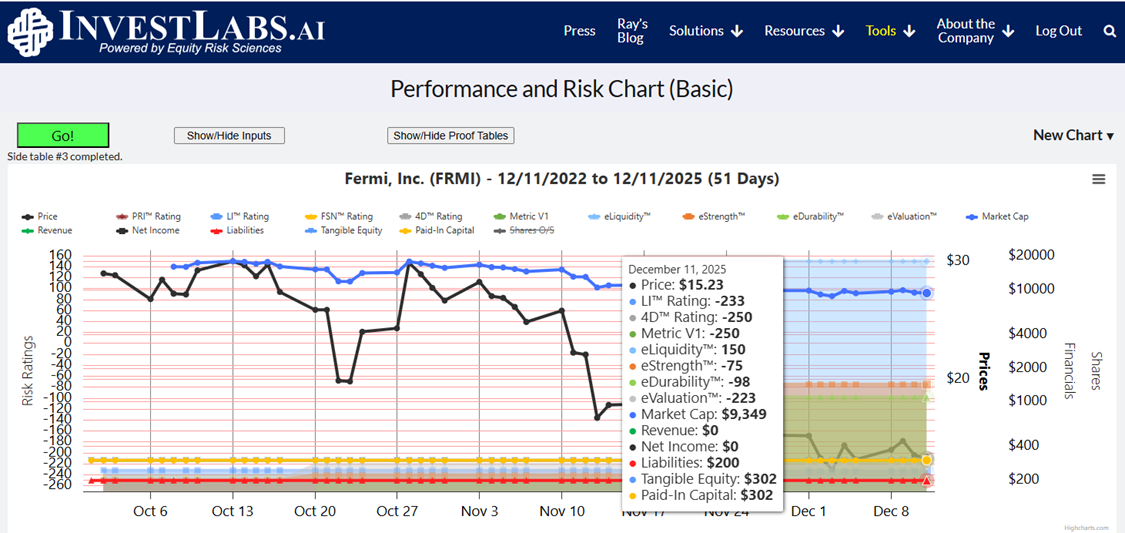
Chart 3 shows the most recent PRC™ output prior to the decline. Two ratings (PRI and eLiquidity) are not shown due to data-availability issues at the time of publication; this omission does not materially affect the conclusions.
Financial Facts at the Time of Peak Valuation
At approximately $30 per share, Fermi’s implied valuation was roughly $18 billion.
- Revenues: $0
- Net income: $0
- Cash & short-term investments: approximately $300 million
- Liabilities: approximately $200 million
- Source of cash: almost entirely from shareholder capital
Risk Definition Applied
Risk is defined as the probability and magnitude of loss. The combination of no revenues, no earnings, material liabilities, and a multi-billion-dollar market capitalization constituted an extraordinary level of downside exposure.
Fiduciary Suitability Considerations
A fiduciary is required to assess whether an investment is reasonable at the price paid. Absent revenues, earnings, or demonstrable cash-generation capacity, price becomes arbitrary and suitability difficult to substantiate.
What the ERS Ratings Demonstrated
ERS’s ratings quantified the severity of downside risk well in advance. The PRC™ showed near-maximum negative readings across valuation, financial strength, durability, and price-risk dimensions.
Structural Implications
This case illustrates how securities can achieve large valuations without reference to operating fundamentals, exposing investors to sudden and severe losses.
Key Takeaways
- Large losses can occur when valuation is untethered from financial reality
- Downside risk is measurable
- Fiduciary duty requires price-based risk assessment
- Independent risk analytics improve decision quality
Closing Note
If you’d like to learn more about ratings for your stocks, contact us today.